The 8th Privacy Symposium Africa
25th – 26th November 2026
Alisa Hotel, Accra, Ghana
Money. Data. Control.
Africa’s digital economy is undergoing rapid expansion, driven by the growth of fintech, mobile money, e-commerce, digital identity systems, and platform-based economies. Across the continent, data has become a central asset fueling innovation, enabling financial inclusion, and reshaping governance and commerce.
However, this transformation is also redefining the relationship between money, data, and power. Increasingly, economic value is extracted from personal data, digital platforms are consolidating influence, and financial systems are becoming deeply intertwined with data ecosystems.
While these developments present unprecedented opportunities for growth and inclusion, they also raise urgent concerns around data exploitation, economic inequality, surveillance, and accountability.
The 8th Privacy Symposium Africa will convene leading stakeholders from across Africa and beyond to critically examine these dynamics and explore how the continent can build a data-driven economy that is both innovative and rights-respecting.
Money. Data. Control.
The theme “Money. Data. Control.” reflects a critical shift in Africa’s digital landscape, where data is no longer just an enabler of technology, but a core economic resource and instrument of power.
Across sectors such as fintech, digital lending, mobile money, and online platforms, vast amounts of personal and behavioral data are being generated, collected, and monetized. This raises three interconnected questions:
MONEY: WHO BENEFITS FROM THE DATA ECONOMY?
Digital platforms and financial systems are generating immense economic value. However:
- Who captures this value
- Are African economies benefiting equitably?
- How can data-driven innovation support inclusive growth?
Data: How is personal data being used and governed?
Data is at the heart of digital transformation, yet:
- How is data collected, processed, and shared?
- What safeguards exist against misuse, profiling, and exploitation?
- Are current data protection frameworks sufficient?
Control: Who holds power in the digital ecosystem?
Control over data increasingly translates into economic and political power:
- Who controls digital infrastructure, platforms, and data flows?
- How do we address asymmetries between states, corporations, and citizens?
- What governance models ensure accountability and fairness?
Objectives
PSA 2026 seeks to:
- Interrogate the Data Economy: Examine how data is being generated, monetized, and governed across Africa’s digital ecosystems.
- Advance Data Protection and Economic Governance: Identify policy and regulatory approaches that balance innovation, economic growth, and rights protection.
- Strengthen Accountability in Digital Financial Systems: Explore risks and safeguards in fintech, mobile money, and digital lending ecosystems.
- Address Power Asymmetries in Digital Platforms: Analyze the concentration of power among governments, corporations, and global technology actors.
- Promote Multi-Stakeholder Collaboration: Foster dialogue between regulators, industry, civil society, and academia.
- Build Capacity and Practical Skills: Provide targeted insight labs for key stakeholders.
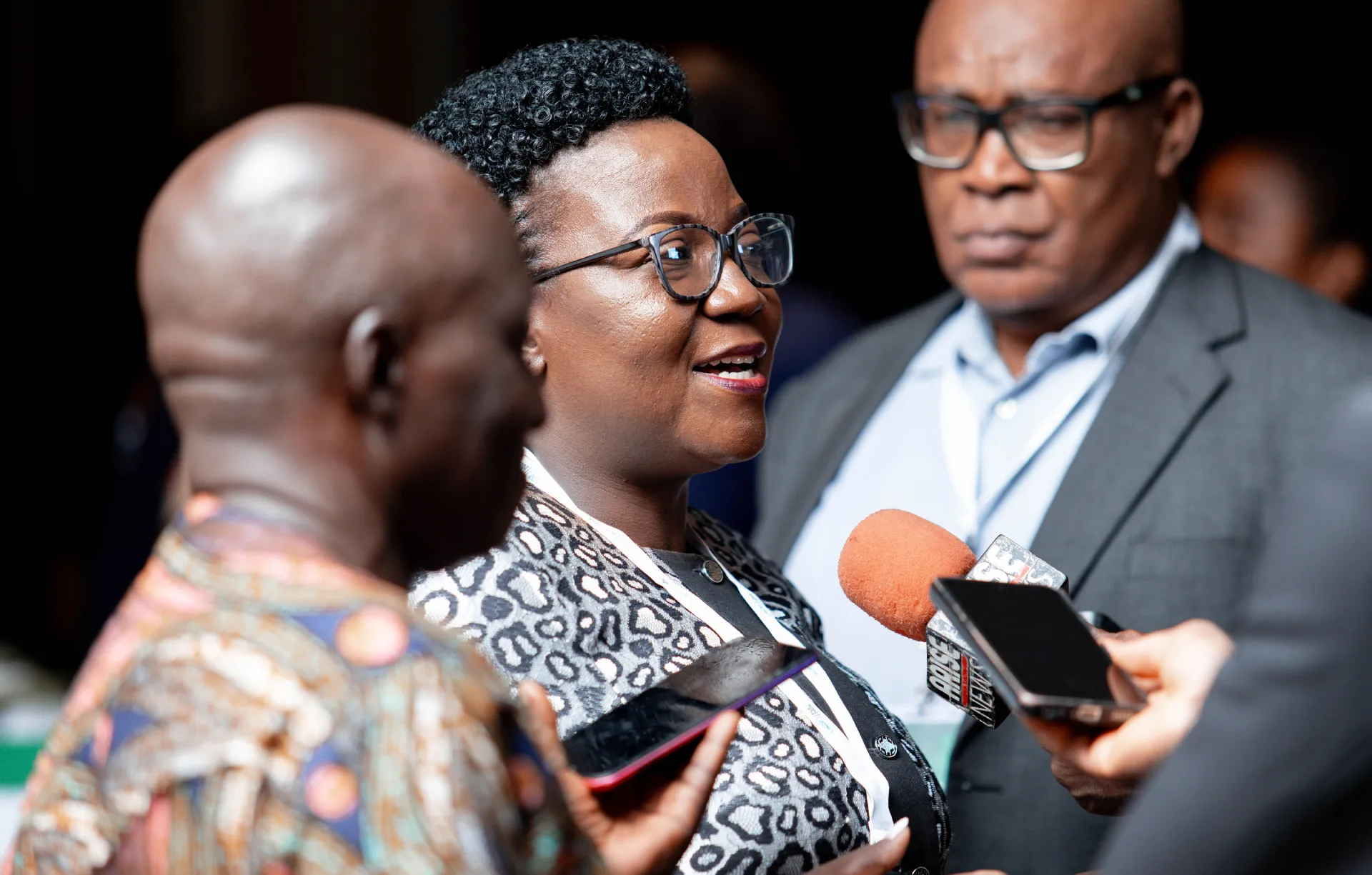
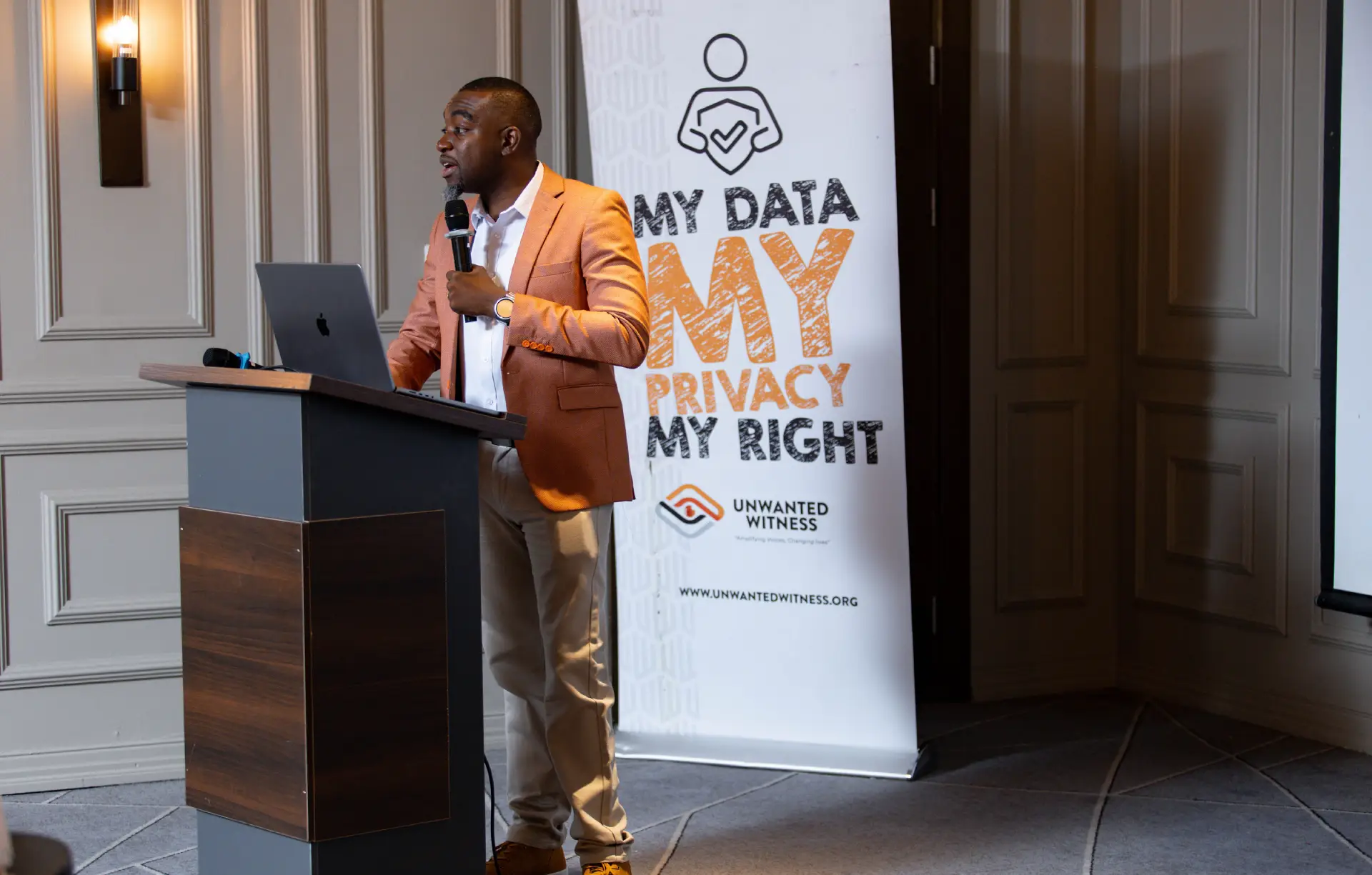
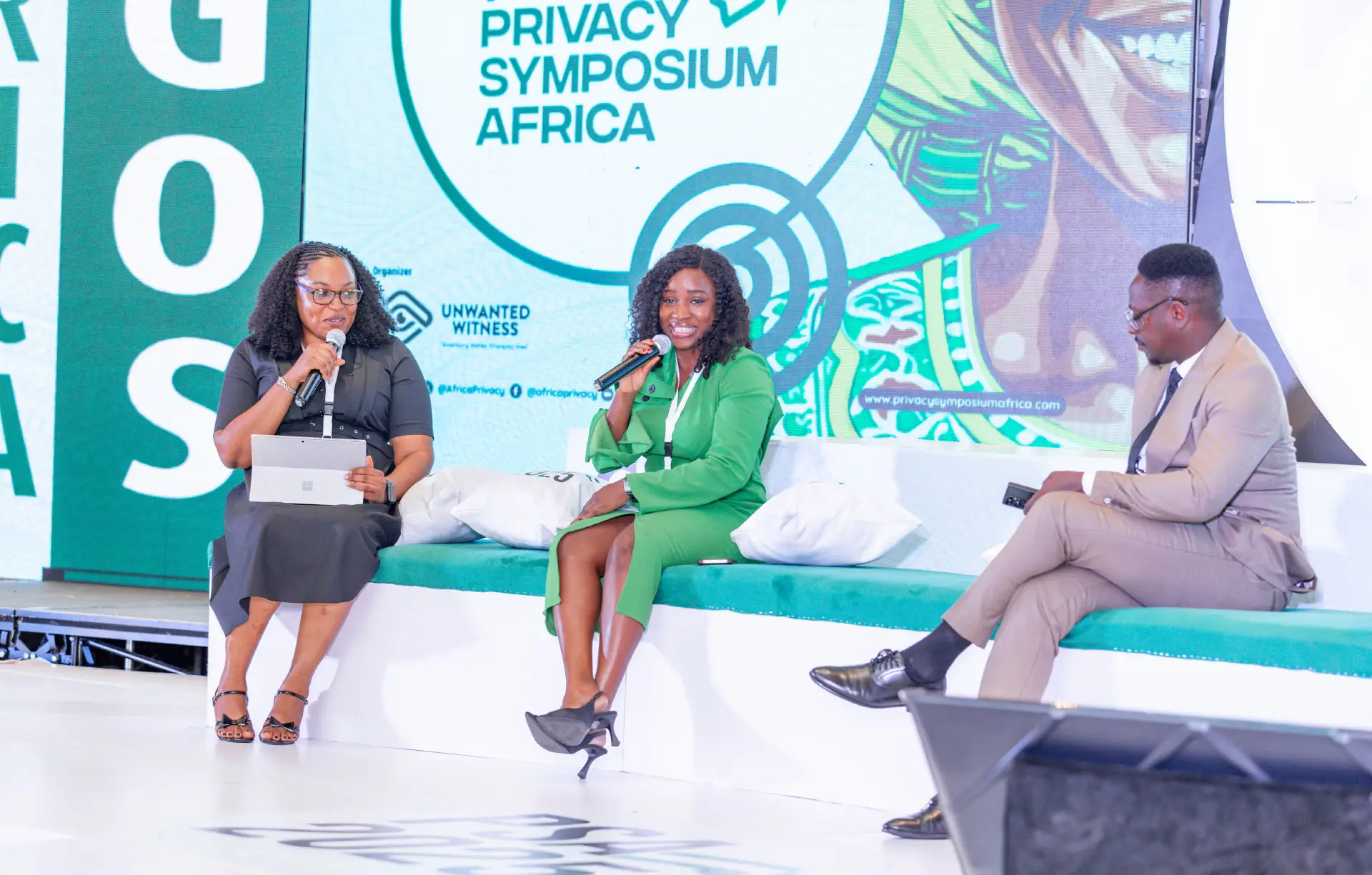
Key Features Of PSA 2026
High-Level Keynote & Spotlight Addresses
Thought leaders and policymakers will address:
- The political economy of data
- AI and financial systems
- Governance of digital platforms
Thematic Panel Discussions
Key discussions will include:
- Fintech, Mobile Money & Data: Driving inclusion while managing risk
- Data, Power and Democracy: Governing voter data in Africa’s digital elections
- Who Owns the Data Economy? Power, profit, and protection
- Regulatory Convergence: One breach, many regulators towards unified systems
These panels align directly with the PSA 2026 programme and reflect real-world policy and industry challenges.
PSA Insight Labs (Pre-Symposium Sessions)
Targeted, high-impact sessions for specific stakeholders:
- Journalists & Media Actors: Investigating the data economy
- Political Leaders & CSOs: Governing digital power and policy trade-offs
- Fintech Industry: Privacy-by-design in financial systems
- Data Protection Officers: Moving from compliance to strategy
Special Sessions & Side Events
- Women in Privacy: This dedicated session explores gendered perspectives on data protection through an intimate conversation with a distinguished woman who has made significant contributions to privacy advocacy.
- Conversation with Data Protection Regulators: Bridging regulatory fragmentation
Privacy Scorecard Report 2026 Launch
The annual Privacy Scorecard Report will be launched, providing:
- Comparative analysis of data protection frameworks
- Insights into enforcement trends
- Policy recommendations for African governments
Alisa Hotel, Accra, Ghana
The Privacy Symposium Africa 2026 Edition will be held at Alisa Hotel, Accra, Ghana.
Located on Dr. Isert Road in the prestigious North Ridge district of Accra, Alisa Hotel is an upscale 4-star property that combines contemporary comfort with warm Ghanaian hospitality. Conveniently positioned close to the city’s business, diplomatic, and government districts, the hotel caters to both business and leisure travellers with modern accommodation, extensive conference facilities, and a range of leisure amenities.